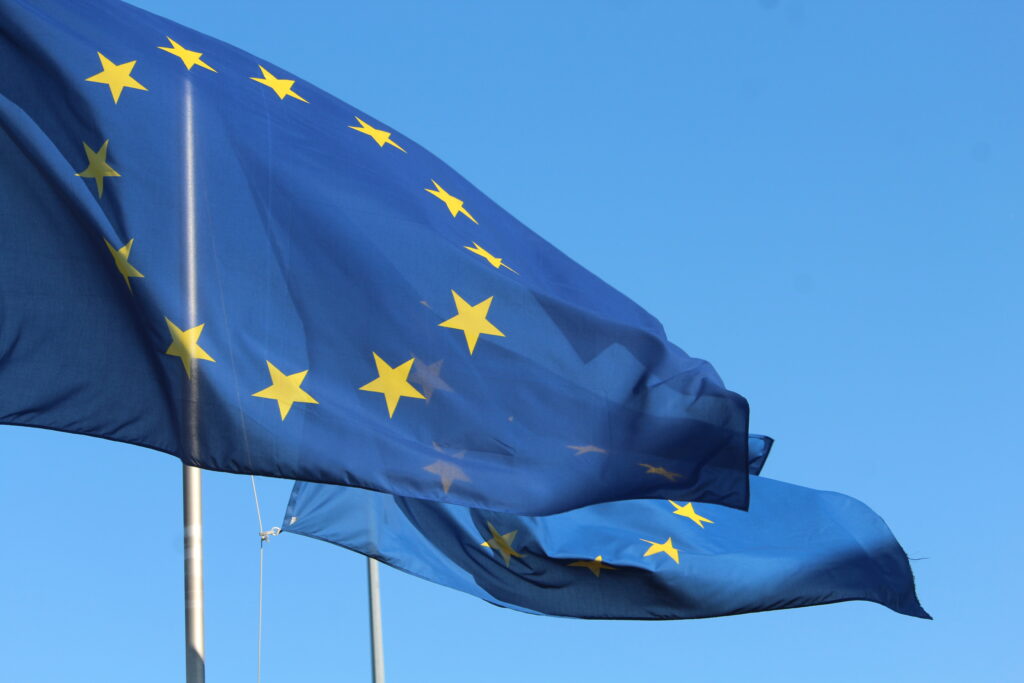
On 22 September 2026, the EU extended its blocking sanctions against Russia. This is normally a technical and routine matter – the EU’s own sanctions programmes are imposed for specific periods of time (typically between six and twelve months) and, if the triggers for sanctions persist, are rolled over at similar regular intervals.
Same pattern persisted in the EU’s sanctions programme against Russia. It was first introduced back in 2014 and since then was extended every six months. This last extension, however, was very different from previous practice and quite unconventional.
First, the blocking sanctions were extended by 36 months.
Second, and more noteworthy, two prominent businessmen were de-listed from the EU blocking sanctions, namely Mr Fridman and Mr Usmanov. Mr Fridman, is reported, to have been de-listed upon application of Luxembourg which was sued by him in the ISDS arbitration.
We discussed the potential use of ISDS mechanism in the context of the blocking sanctions being imposed against Russian investors in our video – EU blocking sanctions and investor-state dispute settlement (“ISDS”). This development proves that the EU Member States take very seriously the risk that the blocking sanctions will be qualified as expropriation by ISDS tribunals which will make substantial compensation awards. Accordingly, the EU Member States, when individually sued by the investors which assets are blocked, are willing to go as far as to take de-listing steps to avoid the risks of adverse arbitral awards.
This development also proves the limits of all efforts to minimise such risks by internal EU legislation which we also addressed in video on this matter.